The Calendar Is the Strategy: Auditing the True Labor Cost of Enterprise IT Meetings

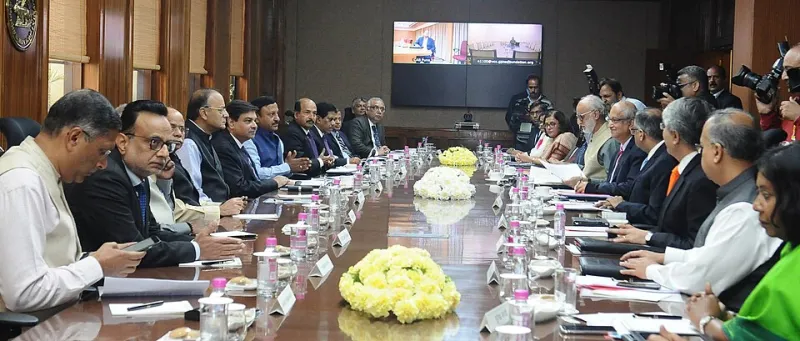
Photo: empty executive boardroom conference table corporate, via img.freepik.com
Ask a Fortune 500 CIO how they spend their week, and the honest answer is rarely 'architecture' or 'innovation.' It is meetings. Status calls with strategic vendors. Steering committees that convene monthly whether or not anything requires steering. Transformation councils, architecture review boards, escalation huddles, pre-meetings for the meetings. Each invitation arrives with the implicit promise of governance. Few deliver a decision.
The result is a quiet but enormous tax on American enterprise leadership — one that never appears in any budget line because it is paid in the most expensive currency a company has: executive attention.
The Arithmetic Nobody Runs
Consider a representative mid-cap enterprise. A monthly IT steering committee draws eight executives and directors for ninety minutes. Weekly vendor governance calls with three major suppliers involve four people each. Add a transformation program review, an architecture board, and the inevitable pre-reads and follow-ups. Conservatively, this calendar consumes roughly 4,000 senior-leader hours annually.
Apply loaded compensation — say $250 to $400 per hour for the blend of VPs, directors, and outside advisors typically in the room — and the arithmetic lands somewhere between $1 million and $1.6 million per year. For meetings. Before a single dollar of the technology they are supposedly governing has been spent.
The figure is not the scandal. The scandal is what that money buys. In most organizations, the overwhelming majority of recurring IT meetings produce no decision at all. They produce updates — recitations of status that could be a two-paragraph memo. Decisions, when they happen, are frequently made elsewhere and ratified after the fact.
Why the Ritual Persists
If the value is this thin, why does the cadence survive? Three forces prop it up.
First, calendar inertia. A meeting created for a three-year ERP implementation outlives the implementation by years because deleting a recurring invite feels like an organizational statement, and no one wants to make it.
Second, the comfort of ritual. Boards and auditors ask whether technology is being governed. A standing committee with minutes is a visible answer, even when the committee decides nothing. Governance theater is cheaper to build than governance that works, at least in the short run.
Third, fear of asymmetry. Vendor status calls persist in part because suppliers benefit from them — regular access to executives builds relationship capital that pays off at renewal time. The customer rarely notices they are hosting their own lobbying operation.
A Different Model: Decisions Call the Meeting
The alternative inverts the logic. Instead of a calendar that searches for decisions, let decisions convene the calendar.
Under a decision-triggered model, technology reviews happen when a defined threshold is crossed: a variance above an agreed percentage on a program budget, a milestone slip beyond tolerance, a security finding of a specified severity, a contract event such as an option window or renewal notice. Between triggers, nothing meets. Written status replaces verbal recitation, and the memo — not the meeting — becomes the default governance artifact.
Two design rules make this workable in practice:
- Publish the triggers. Everyone must know, in writing, what events force a review. Ambiguity here quietly rebuilds the old monthly ritual.
- Cap the standing cadence. Keep one brief recurring session — thirty minutes, quarterly — solely to confirm the triggers themselves are still the right ones. That is the meeting that governs the meetings.
Organizations that make this shift typically report something unexpected: decisions arrive faster, not slower. Without the monthly queue, an escalation is handled the week it emerges rather than waiting for its slot on the agenda.
Run the Numbers on Your Own Calendar
Before redesigning anything, measure what the current ritual costs. The template is simple enough for a single afternoon of analysis:
- Inventory every recurring meeting touching IT governance, including vendor calls and program reviews.
- Count attendees and classify each by role band (executive, director, manager, external advisor).
- Apply loaded hourly rates per band — HR or finance can supply defensible figures.
- Multiply by frequency to get an annual hour and dollar figure per meeting.
- Audit the output: review twelve months of minutes and count the decisions actually made in each forum.
The final metric — dollars per decision — is the one that should follow every governance calendar into its next redesign. When a steering committee costs $400,000 a year and produces four decisions, each one cost $100,000 to ratify. That framing tends to concentrate executive minds remarkably.
None of this argues for less oversight of technology. It argues for oversight that earns its keep. The most expensive meeting in your enterprise is the one nobody can say why it exists — and in American IT organizations, there are usually several.